The Evolution of the Everyday Dress Through Men and Women
The everyday dress has never been just an item of clothing. For both men and women, dresses have changed alongside lifestyles, workplaces, traditions, and ideas of personal style. What once belonged mainly to formal occasions gradually became part of ordinary wardrobes, proving that fashion does not remain fixed for long.
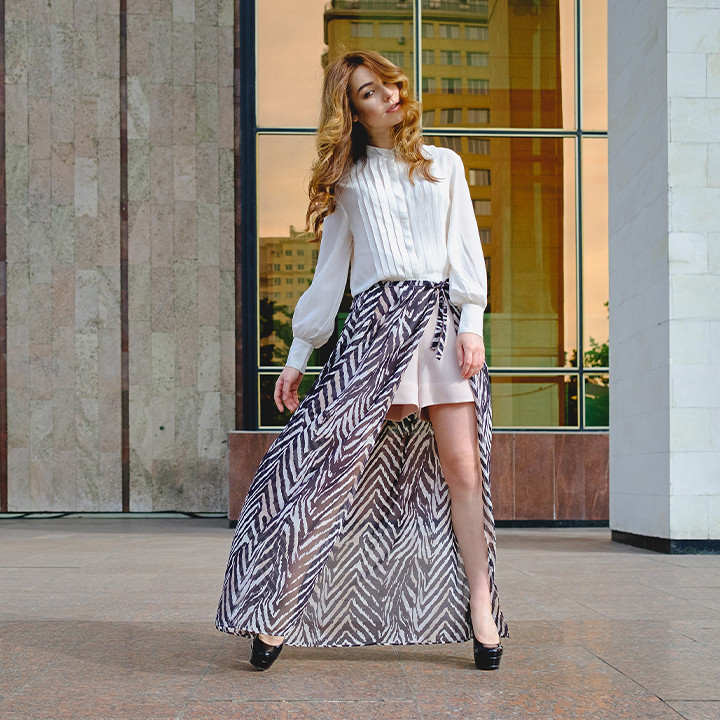
For women, the everyday dress has evolved dramatically in shape, length, fabric, and purpose. Earlier dresses were often designed with structured silhouettes, layers, and detailed construction. Everyday clothing could require considerable effort to wear and maintain. Over time, simpler designs became more practical. Straight dresses, shirt dresses, cotton day dresses, midi dresses, maxi dresses, and casual fitted styles offered women greater freedom to move through ordinary routines without sacrificing appearance. The shift was not simply about becoming more casual. It was about making dresses adaptable.
A dress that could work for shopping, travelling, working, meeting friends, or spending a day outside became more valuable than one designed for only a specific occasion. Comfortable fabrics such as cotton, linen, jersey, and blended materials helped make this possible. Dresses became easier to wear, wash, combine, and repeat.
Men's dresses followed a different path. In many cultures and historical periods, men wore long garments that would today be described as dresses or dress-like clothing. Tunics, robes, kurtas, kaftans, and other long silhouettes were practical everyday clothing for men across different societies.
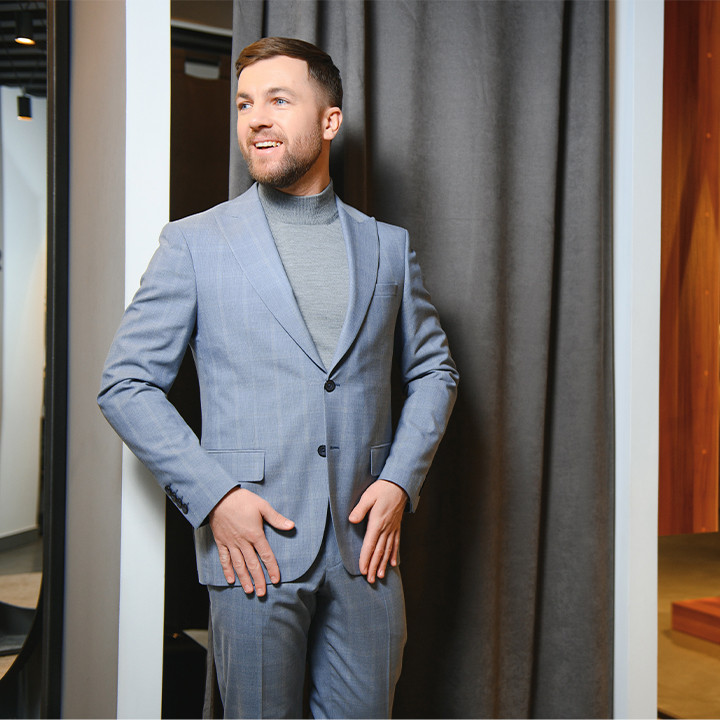
Modern Western menswear eventually moved heavily toward trousers, shirts, and suits, reducing the everyday presence of dresses in men's wardrobes. However, dresses never completely disappeared from men's clothing globally. Traditional garments continued to exist, while contemporary fashion later began experimenting again with men's tunics, shirt dresses, longline designs, and other dress-based silhouettes. This creates an interesting contrast.
Women's everyday dresses gradually became more flexible, while men's dress-like clothing often became divided between traditional wear and modern fashion. Yet both demonstrate the same principle: everyday clothing changes when people's everyday lives change.
Fabric played a major role in this evolution. Heavy materials gave way to lighter, breathable, and easier-to-maintain fabrics. Construction also became simpler. Instead of treating every dress as something elaborate, designers increasingly created pieces that could be worn repeatedly without feeling overly formal.
The rise of ready-to-wear clothing accelerated the process. People no longer needed every dress to be individually made. Standardized sizes and mass production allowed everyday dresses to become widely available in different styles and price ranges.
Modern everyday dresses are therefore less about following one fixed definition. A woman's casual cotton dress, a man's contemporary shirt dress, or a traditional long garment can all serve the same basic purpose: clothing designed to move with everyday life.
The evolution is also visible in how people choose dresses today. Comfort matters. Fit matters. Fabric matters. But so does individuality. The everyday dress has moved from being defined primarily by tradition to being shaped increasingly by personal choice. And that may be its biggest evolution. A dress no longer has to wait for a special occasion. For men and women, it can simply be what they choose to wear today.